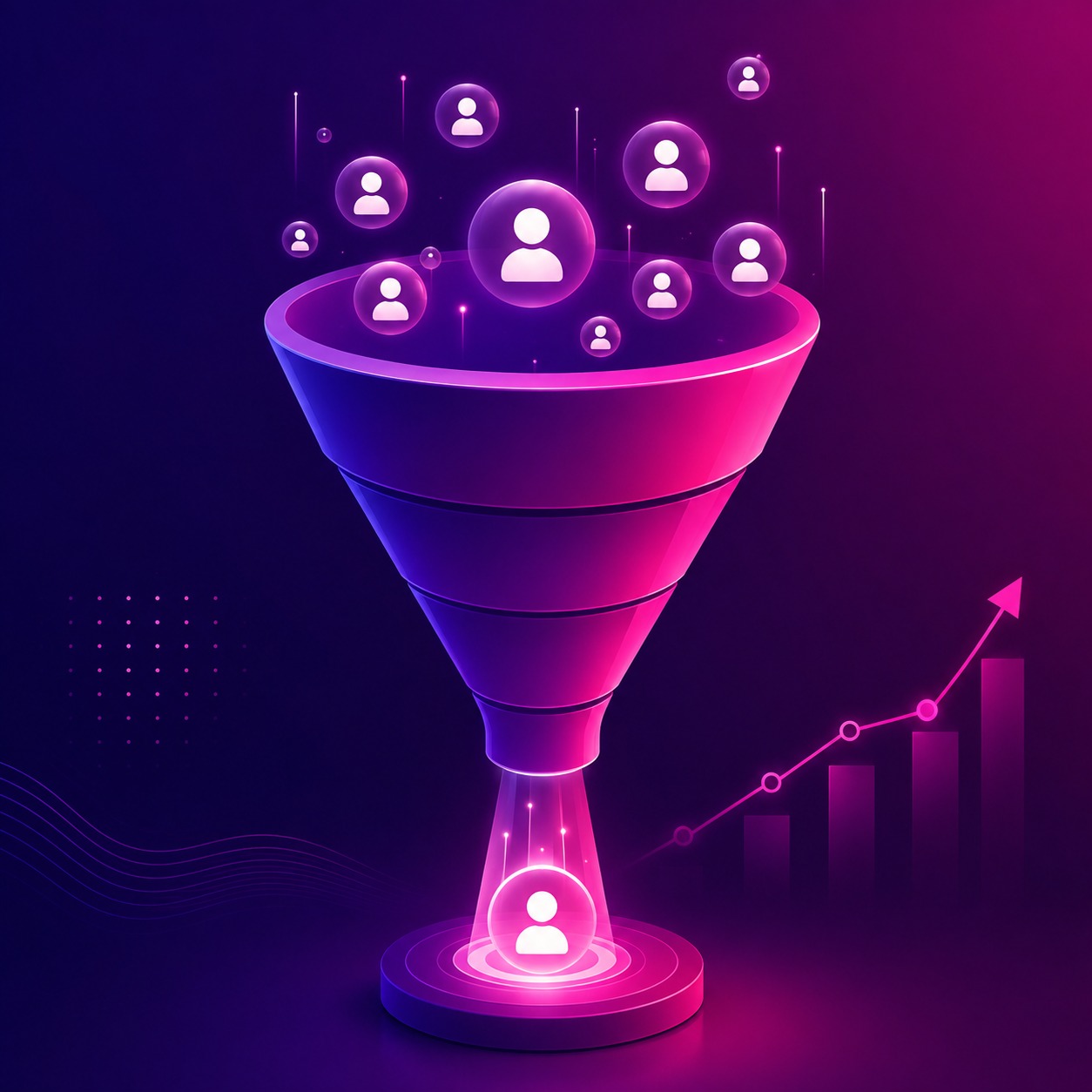
Getting people to notice your business is one thing. Turning that attention into genuine enquiries and paying customers is another. That is where lead generation becomes important. Instead of hoping website visitors will contact you on their own, businesses need a clear path that moves potential customers from initial interest to action.
A well-planned lead generation funnel creates this path. It helps you understand what people need at different stages and gives them the right information at the right time. When done properly, the process feels less like selling and more like helping someone make a confident decision.
Why Getting Traffic Is Only the Beginning
Businesses often focus heavily on website traffic, social media reach, impressions, and clicks. These numbers are useful, but they do not automatically translate into business growth.
Imagine 5,000 people visit your website this month. If most leave without filling out a form, calling, booking a consultation, or taking another meaningful action, the traffic has limited commercial value.
This is why effective lead generation strategies focus on what happens after someone discovers the business.
A strong marketing funnel connects awareness with action. Instead of presenting the same message to everyone, it recognizes that someone discovering your company today needs different information from someone who has already compared your services and is ready to enquire.
Understanding the Journey Before Building the Funnel
Before deciding how to build a lead generation funnel, think about how your customers actually make decisions.
Most people do not discover a company and immediately buy. They may search for information, visit a website, read a blog, watch a video, compare alternatives, check reviews and return several days later.
Your funnel should support this natural behaviour.
At the top, people are usually identifying a problem or exploring a topic. In the middle, they begin evaluating possible solutions. Near the bottom, they are comparing providers and deciding what to do next.
A traditional sales funnel describes this movement toward a purchase. Digital marketing expands the idea by creating useful touchpoints throughout that journey.
Stage 1: Attract People With the Right Intent
The first stage is about visibility, but relevant visibility matters more than attracting the largest possible audience.
SEO articles, educational videos, social media posts, paid search campaigns and useful guides can introduce your business to people who are already interested in the problems you solve.
For example, someone searching for an answer to a specific problem is often more valuable than someone who casually sees an advertisement.
This is where lead generation should begin: with understanding intent.
Research the questions your audience asks, the problems they experience and the language they use when searching. Building content around these needs makes your marketing funnel more relevant from the first interaction.
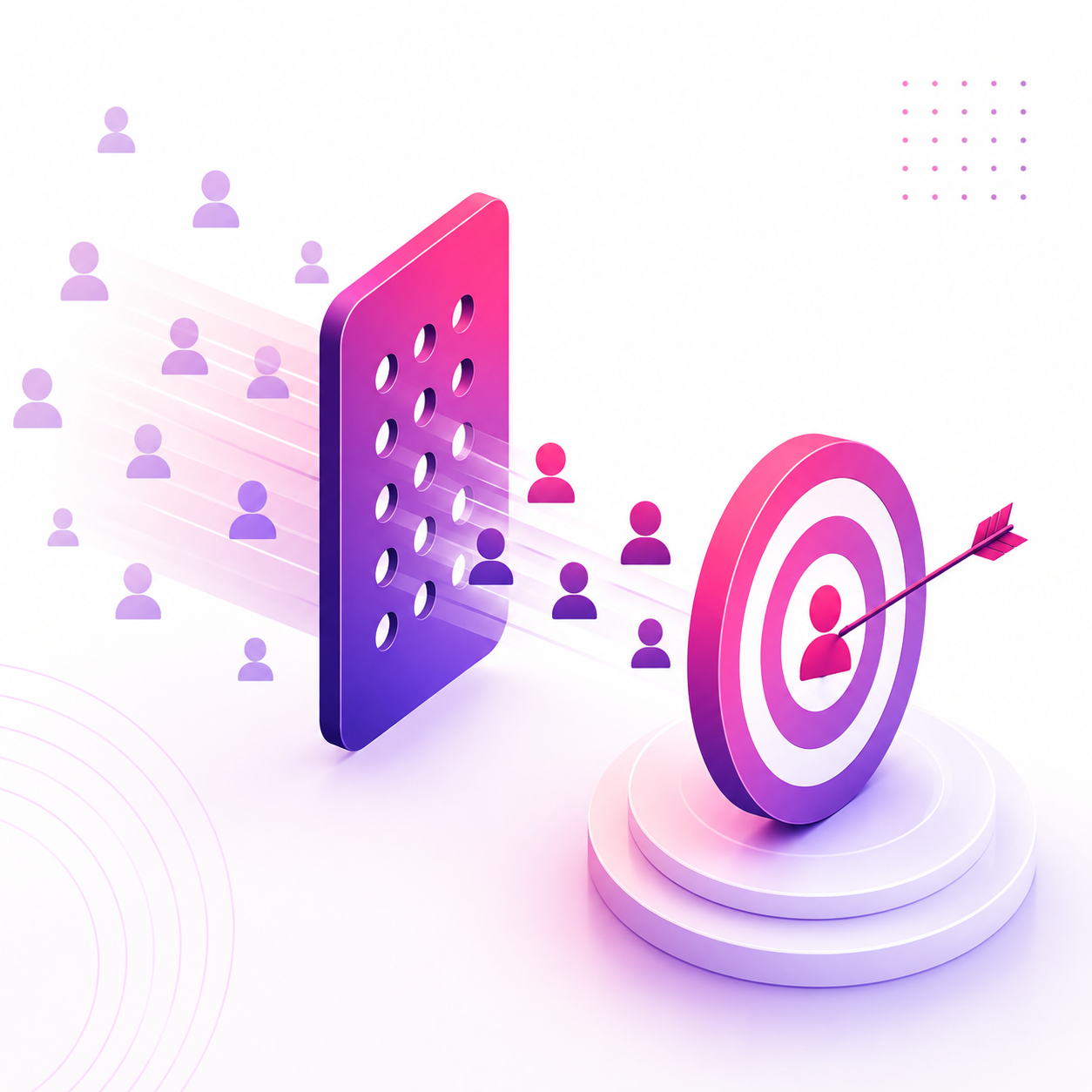
Stage 2: Give Visitors a Reason to Continue
Getting someone onto your website is not enough. You need to make the next step clear and worthwhile.
This is an important part of how to create a lead generation funnel because many potential customers disappear simply because they do not know what to do next.
Depending on your business, the next action could be requesting a quote, booking a consultation, downloading a guide, subscribing to useful updates or requesting a demonstration.
Avoid asking for too much information too early. A person downloading an introductory guide may not want to provide their phone number, company size, budget and ten other details.
Effective lead generation strategies reduce unnecessary friction and make the next step feel easy.
Stage 3: Build Trust Before Asking for a Sale
Not every visitor is ready to become a customer today.
Some people need more information. Others need proof that your solution works. Many are comparing several businesses.
This middle stage of the lead generation funnel is where trust becomes especially important.
Case studies can demonstrate results. Testimonials provide social proof. Detailed service pages explain your approach. Educational emails answer common questions. Comparison content can help prospects understand their options.
Instead of repeatedly telling people to “buy now,” provide information that helps them move forward confidently.
That shift can make your sales funnel feel helpful rather than aggressive.
Stage 4: Turn Interest Into Action
Once a prospect understands the problem, recognizes your solution and trusts your business, the next step should be simple.
This is where your conversion funnel becomes critical.
Review landing pages carefully. Is the value proposition immediately understandable? Is the call to action visible? Does the page explain what happens after someone submits a form? Are there unnecessary distractions?
Small obstacles can prevent interested prospects from converting.
Businesses learning how to build a lead generation funnel should therefore pay close attention to landing-page experience, form length, mobile usability, page speed and calls to action.
Stage 5: Follow Up Without Becoming Annoying
A submitted form is not the end of the journey. Prospects may get busy, need internal approval, or compare alternatives. Thoughtful follow-up through email sequences, useful resources, reminders, and personalized communication keeps the conversation moving without overwhelming them.
Marketing can nurture interest while sales focuses on prospects showing stronger buying intent. When both work together, the sales funnel becomes easier to manage and more effective.
Measure What Creates Business
A successful funnel should be measured by more than traffic and impressions. Track landing-page conversion rate, cost per qualified enquiry, lead-to-customer rate, channel performance, and customer acquisition cost.
These metrics show where prospects drop off. High traffic with few enquiries may indicate a landing-page issue, while many enquiries with few customers may signal poor lead quality or weak follow-up.
Regular analysis helps improve the conversion funnel based on real customer behaviour rather than assumptions.
Common Funnel Mistakes to Avoid
One common mistake is trying to sell immediately to every visitor. Another is creating content without giving readers a logical next step.
Businesses may also collect large numbers of contacts without considering whether those people match their ideal customer profile.
The goal of lead generation is not simply to fill a database. It is to create meaningful opportunities for the business.
A well-designed marketing funnel prioritizes relevance, while an effective conversion funnel removes barriers that stop interested people from taking action.
How to Improve Your Funnel Over Time
Learning how to create a lead generation funnel is not a one-time project.
Customer behaviour changes. Search habits evolve. Campaign performance fluctuates. Offers that worked six months ago may not produce the same response today.
Review your funnel regularly. Identify pages where visitors leave, compare traffic sources, test calls to action and study which enquiries eventually become customers.
Your lead generation funnel should evolve as you learn more about your audience.
The best funnels are rarely built perfectly on the first attempt. They improve through observation, testing and refinement.