Search Is Changing, But Visibility Matters
Traditional search provides a page of results. Businesses focus on technical performance, content, and backlinking to improve their overall rank.
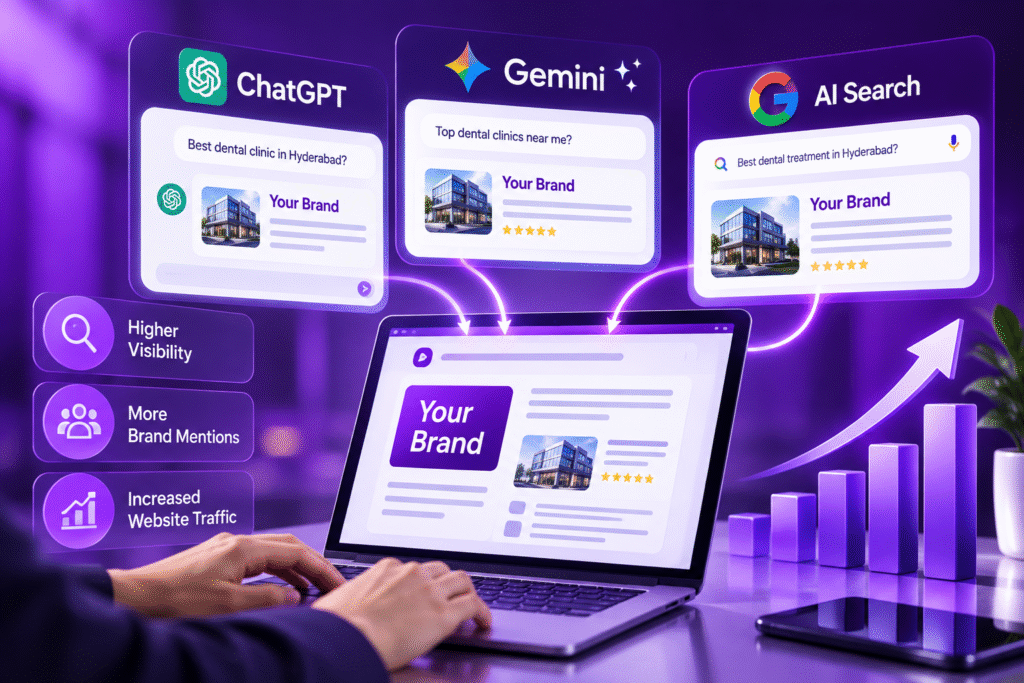
AI powered discovery will see a user ask a question and receive a synthesized response that contains several brands, products, sources, or recommendations, which the user may accept and take to a decision.
While Google remains integral, generative platforms are now another layer between questions and information, and businesses need to understand both rather than one over the other.
Understanding the Optimized Model
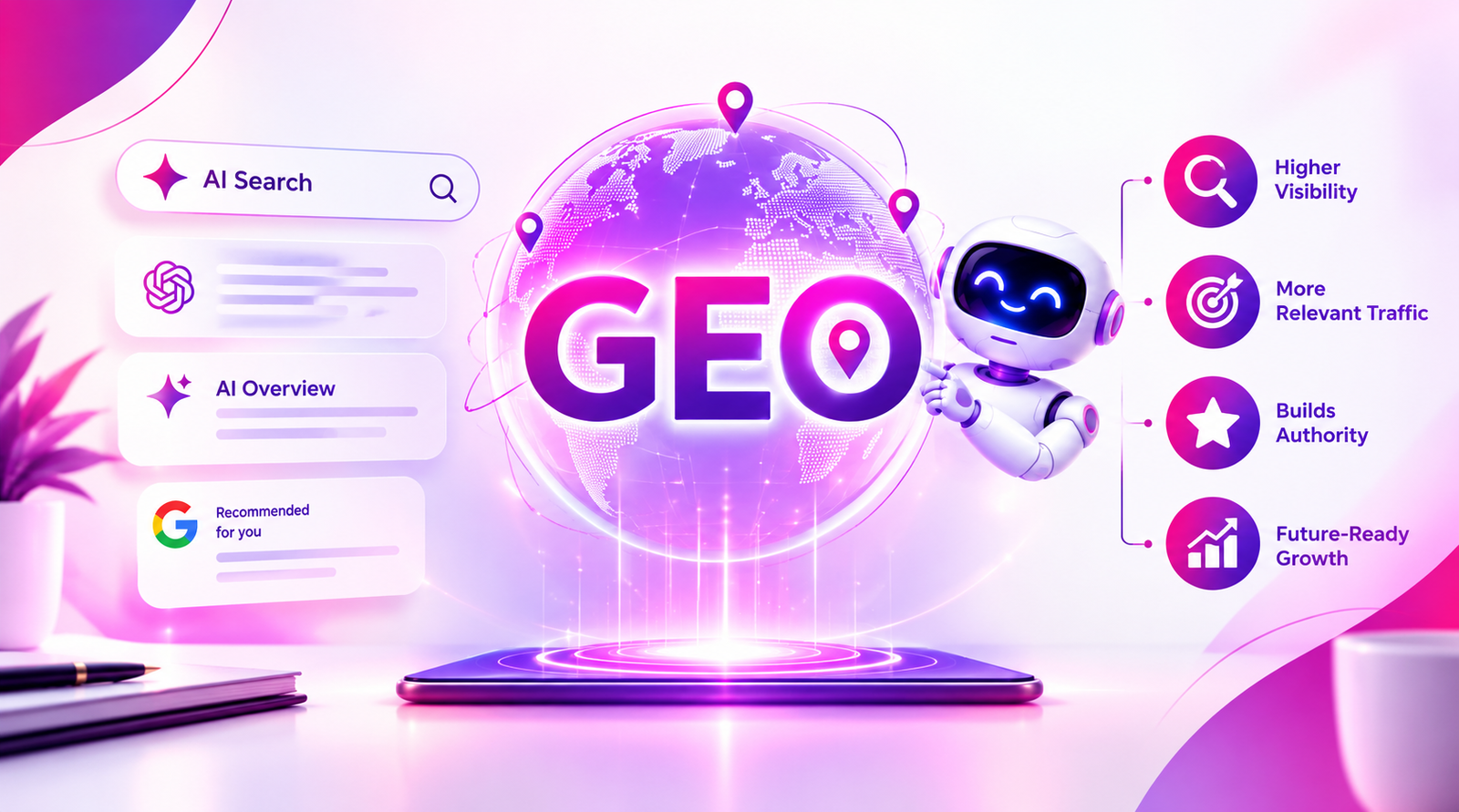
This model is about improving the likelyhood that a brand, website, product, or expertise is accurately represented in an AI generated answer. It intersects with content strategy and technical optimization, digital PR, and authority, but goes beyond conventional rankings.
A strong approach to GEO optimization starts with the question: if an AI was asked about your industry, would it have enough information to understand what your business does and who it serves?
That information should be clear across your website and the wider web: consistent business information, useful explanations, credible authors, original insight, customer information, and relevant third party mentions can all create a strong digital footprint.
Why AI Discovery Changes Brand Discovery
Conversational search means people ask full questions rather than a few keywords. They may ask for a dental clinic, compare software platforms, or ask for recommendations in their area and budget.
The response can include information from multiple sources, and visibility here is not just about having a high rank for one keyword, but being relevant across a topic, providing dependable information, and having consistent signals across multiple digital properties.
Content should not only attract a visitor, but help them to understand the business, and clear service pages, detailed FAQs, original research, author information, reviews, and accurate business profiles can all be helpful. The ability of content to aid discovery by an AI is about being clear and providing good context.
Ranking Isn't Everything
The future of SEO is not about abandoning rankings, but expanding on them. Brands need content that serves people and traditional search engines, but also need to be optimized for AI systems to include in its answers, and that should start with the basics. Publish useful information, answer specific questions, back up claims, keep important information updated, make authorship and business information clear, and link pages together logically, and avoid publishing large quantities of information solely for keywords.
This builds a website that communicates meaningfully. AI SEO should also consider how clearly a website is communicating: a natural focus on readability helps search algorithms.
Creating Content That AI Can Understand
While content is created for people, clarity will be rewarded by AI systems that seek out precise information.
Useful headings, direct answers to questions, internal linking, definitions, appropriate data formatting, and factual language can all be a benefit, as can explaining nuanced subjects in a way that follows a clear train of thought and providing examples of how a service works.
Avoid writing content that is unnecessarily engineered to sound good to an algorithm, and beware of repetition and vague statements that suggest someone may have been writing for an algorithm. Good writing will be clear, precise, and use language that is not needlessly complex.
Measuring the New Search Landscape
Measuring visibility in this new environment is still emerging and optimizing for visibility in AI search requires consistency. Traditional analytics will show visits and traffic from traditional search engines, but visibility in AI discovery is likely to mean a mixture of referrals, direct visits, branded searches, and users who simply did not click a result.
Marketers can create a reasonable process of testing: ask important questions in key AI platforms, and record which brands appear, what sources are used, what your company says, and if any important facts are correct. Repeat the process to see trends.
What Businesses Should Do Next
Start with the information customers need. Ask the questions that people ask just before contacting your business, and produce answers that are genuinely useful. Review important service and product pages to ensure that everything is clear. Make company information consistent and demonstrate expertise with original information.
Examine your wider digital presence for mentions of your industry that are trustworthy, reviews, profiles, and references to your brand, and ask to update anything with incorrect information.
GEO optimization should also be seen as a long term process rather than a single project. The search environment is changing quickly, and the strategy that works today will need to shift tomorrow.
AI SEO should also be tested constantly. Finally, treat Generative Engine Optimization as an ongoing process of improving relevance, clarity, authority, and consistency rather than a single technical task.