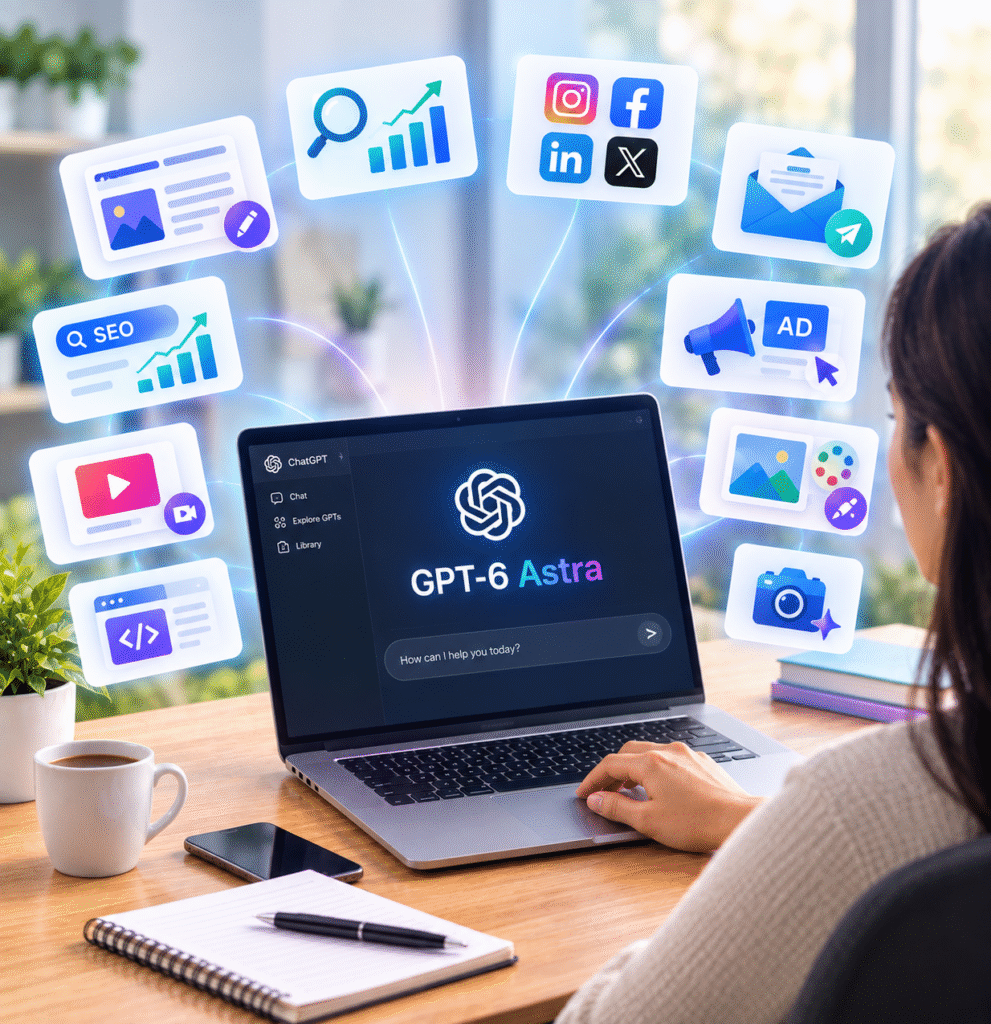
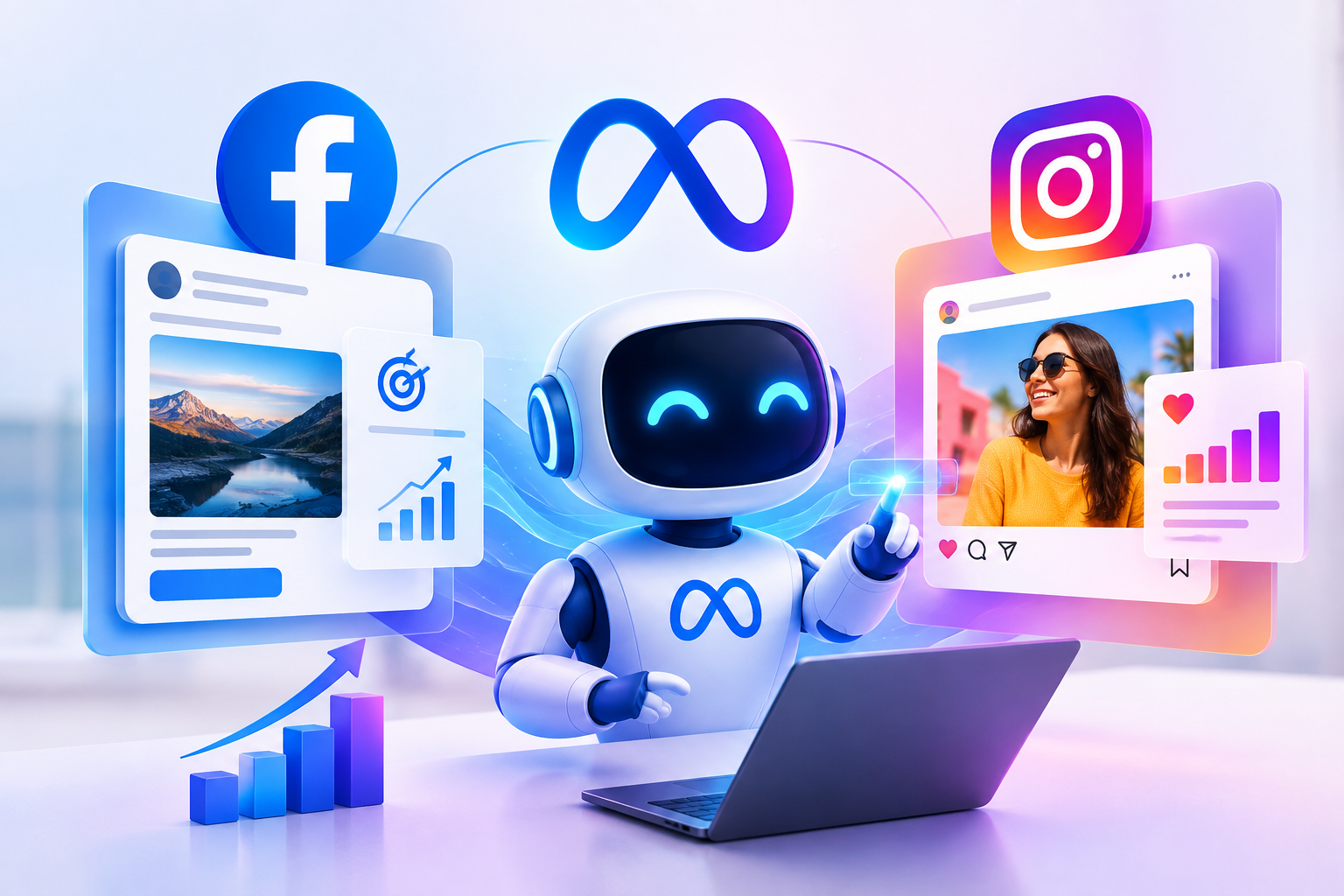
The digital marketing landscape is undergoing a massive shift as Meta AI redefines how businesses reach and engage their target audiences. By integrating advanced machine learning directly into its advertising ecosystem, Meta has transformed traditional campaign management into an automated, highly efficient system. Advertisers no longer need to spend endless hours manually tweaking bid strategies or testing minor audience variations. Instead, intelligent algorithms analyze billions of user data points in real time to optimize delivery, match creative assets to individual preferences, and drive maximum return on ad spend across both Facebook and Instagram platforms.
The introduction of dynamic generative features has dramatically lowered the barrier to producing high-performing campaigns. Brands can now adapt visual assets, draft personalized copy variations, and refine audience targeting with unprecedented speed and precision. As competition grows and consumer privacy frameworks continue to evolve, leveraging artificial intelligence is no longer just an advantage—it is essential for long-term growth.
The Evolution of AI-Powered Advertising Across Meta Platforms
Digital advertising has shifted from basic demographic targeting to deep contextual relevance. Modern AI powered advertising allows businesses to deliver personalized experiences at scale without compromising user privacy.
Rather than relying on broad interest groups or manual segmentation, Meta’s predictive algorithms evaluate real-time signals—such as content engagement, watch time, and browsing behaviors—to predict intent. This transition ensures that users see ads that genuinely match their current preferences, while advertisers benefit from lower acquisition costs and higher conversion rates.
Next-Generation Automation with Meta Advantage+ Campaigns in 2026
Automation lies at the heart of Meta’s modern ad stack. Utilizing meta advantage+ campaigns in 2026, marketers can fully automate budget allocation, placement optimization, and ad delivery across Feed, Reels, Stories, and Search results.
Key benefits of full campaign automation include:
- Real-Time Liquidity: Funds automatically shift toward the highest-performing placements and creative variations without manual intervention.
- Predictive Bidding: Advanced machine learning models adjust bids for every individual auction to maximize high-value conversions.
- Expanded Lookalikes: Algorithms continuously scan broad audiences to find high-intent buyers outside traditional targeting parameters.
By reducing operational overhead, automation allows media buyers to shift their focus from routine maintenance to high-level strategic planning and brand positioning.
Redefining Asset Production with AI Ad Creative Tools
Creating fresh, engaging visual content at scale has historically been one of the biggest bottlenecks for growing brands. Today, AI ad creative tools enable media teams to generate, test, and iterate creative assets in seconds.
These capabilities transform traditional visual asset production:
| Capability | Traditional Process | Modern AI Workflow |
|---|---|---|
| Image Generation | Manual photo shoots & design tools | Instant background generation & asset expansion |
| Copywriting | Manual writing of headline/body variants | Dynamic copy generation tailored to buyer personas |
| Video Production | Expensive editing & motion graphics | Automated video creation from static product images |
| A/B Testing | Manual asset rotation over several weeks | Automated real-time testing of thousands of variations |
These capabilities transform traditional visual asset production:This instant optimization ensures that audiences rarely experience ad fatigue, keeping click-through rates consistent over longer campaign cycles.
Maximizing Results with Facebook Meta AI Capabilities
Integrating deep learning models into paid campaigns gives marketers access to predictive analytics that were previously out of reach. Incorporating facebook Meta AI features into your daily workflow helps streamline performance analysis, uncover conversion bottlenecks, and provide clear recommendations for campaign scaling.
These systems analyze campaign metrics instantly, pinpointing why specific creatives outperform others and identifying high-converting audience segments. This data-driven approach removes guesswork, helping brands scale budgets safely while preserving profit margins.
Strategic Best Practices for 2026
To achieve top performance, media buyers must adapt their strategies to complement automated systems rather than fight them:
- Prioritize Creative Variety: Focus your energy on producing distinct creative angles (e.g., user-generated content, high-production video, clear product highlights) rather than slight variations of the same image.
- Leverage Broad Targeting: Give automated algorithms room to find your ideal customer by avoiding overly narrow audience filters.
- Feed High-Quality Data: Ensure your Conversions API and pixel setups pass accurate, first-party data back to Meta to fuel algorithm accuracy.
As machine learning algorithms become more sophisticated, success will belong to advertisers who embrace automation, focus heavily on creative quality, and let data drive their overall growth strategy.